
The V&A Museum debuted its new exhibition today, spotlighting the style of Marie Antoinette. As a member, I had the privilege of an early viewing — 8 a.m. in South Kensington, blurry-eyed and unsure of what awaited me.
Lately, I’ve felt a fatigue with London’s museum circuit. Exhibitions have leaned heavily on spectacle, often leaving me craving substance. So while the subject matter — fashion, pop culture, opulence — was right up my alley as a style enthusiast, the historian and budding anthropologist in me left feeling underfed.
Yes, the exhibition dazzled with jewels, exaggerated silhouettes, and pop culture nods to her enduring influence. But where was she? The woman behind the myth? The human beneath the powdered wigs and panniers?
Marie Antoinette is often reduced to a caricature: the queen who allegedly said “Let them eat cake,” the fashion icon of Versailles excess. But surely there’s more. Why was she such a compelling figure in her time? What shaped her worldview? Did she ever reflect on her role, her image, her fate?
The exhibition offered little in the way of emotional texture or psychological depth. I longed for letters, diary entries, portraits that revealed vulnerability or contradiction — anything that might render her more three-dimensional, more human. We all wear masks, but what happens when they slip?

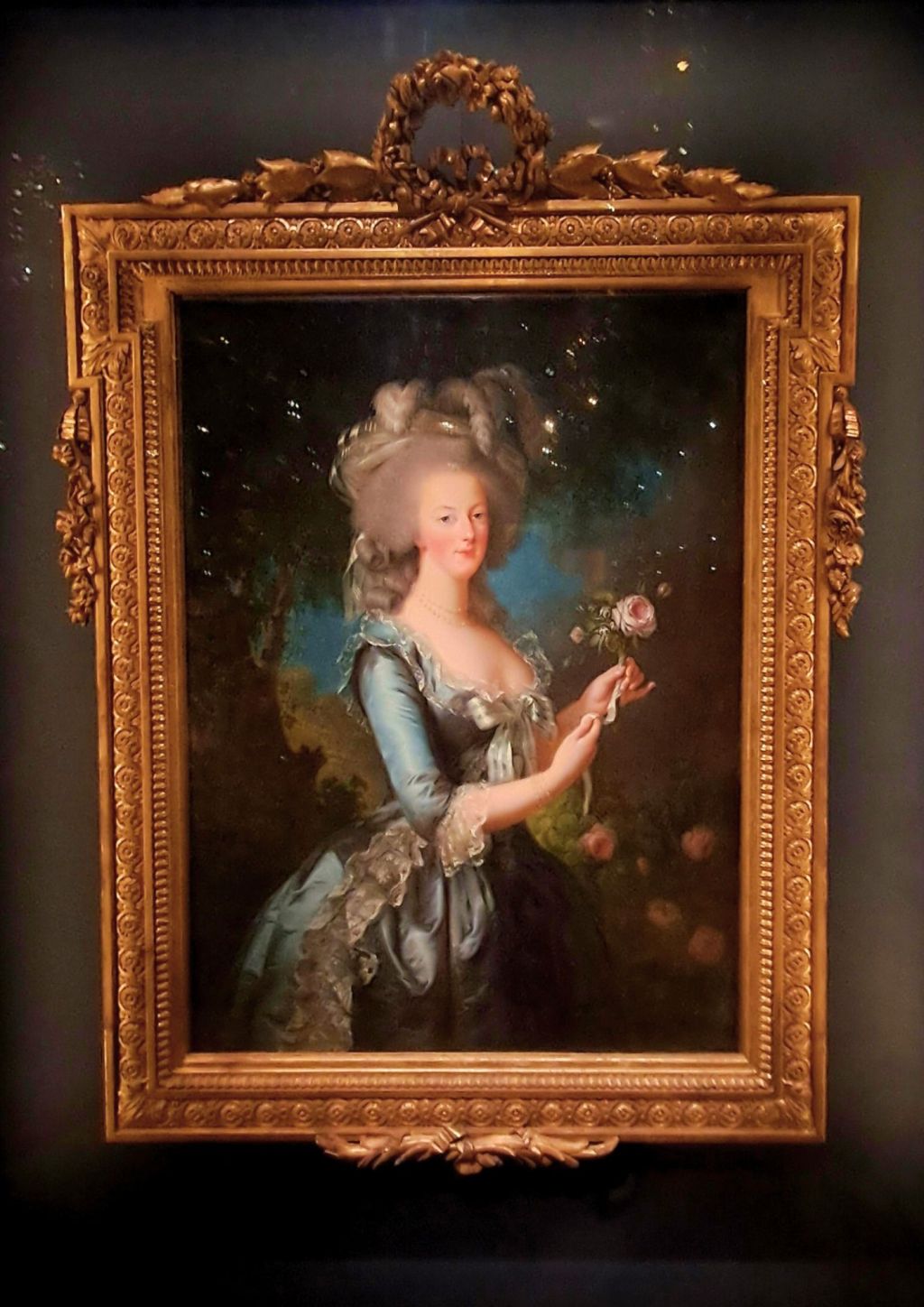
This is the portrait that has etched itself into my mind. She’s rendered soft, almost pastoral, surrounded by a flower garden that suggests ease and grace. But her face tells another story. I read a quiet disgust in her expression — a tension behind the delicacy. The rose she holds feels less like a symbol of beauty and more like a burden, a prop she’s been told to cradle like a dam holding back something truer. Her eyes seem to ask: How long must I stand like this?
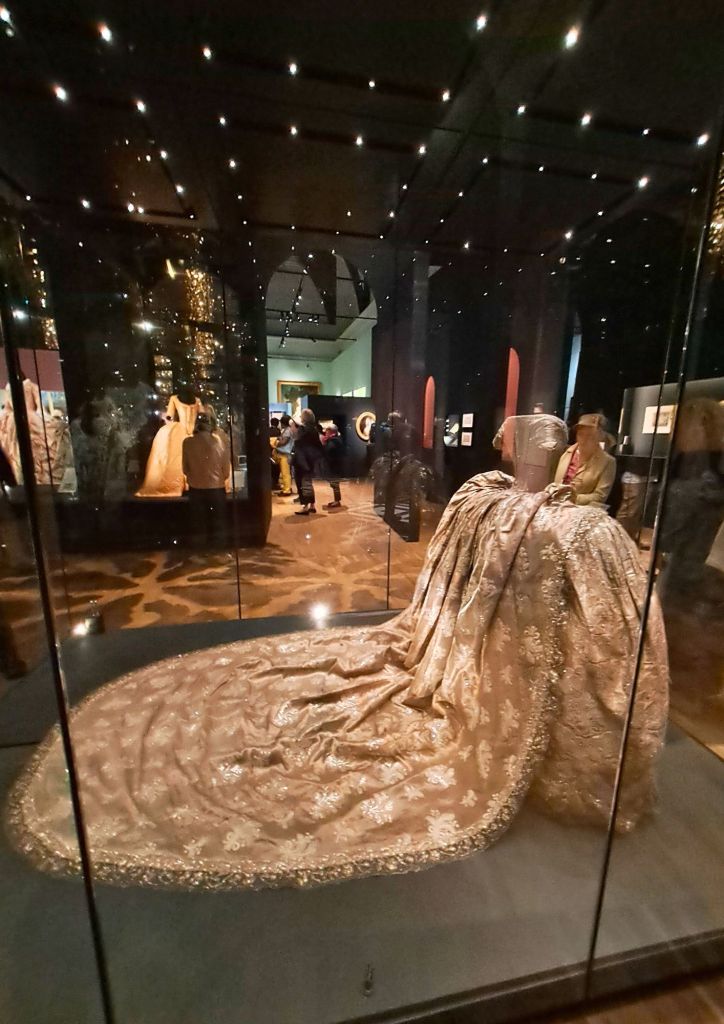
This replica of Marie Antoinette’s wedding dress left me stunned. Its size was striking — delicate and impossibly small, like it was made for an eleven-year-old.

Naturally her style quickly became a fashion era for the upperclass.
Her style became a blueprint for the nobility a visual language of wealth, status, and aspiration.
The silhouettes, fabrics, and embellishments were social signals. Noblewomen emulated her look to align themselves with power and prestige, it was more than personal expression it was political theatre.
Very similar to what we see with the ‘Quiet Luxury’ trend of recent.


One of my favourite parts of the exhibition was the collection of statues infused with period fragrances.
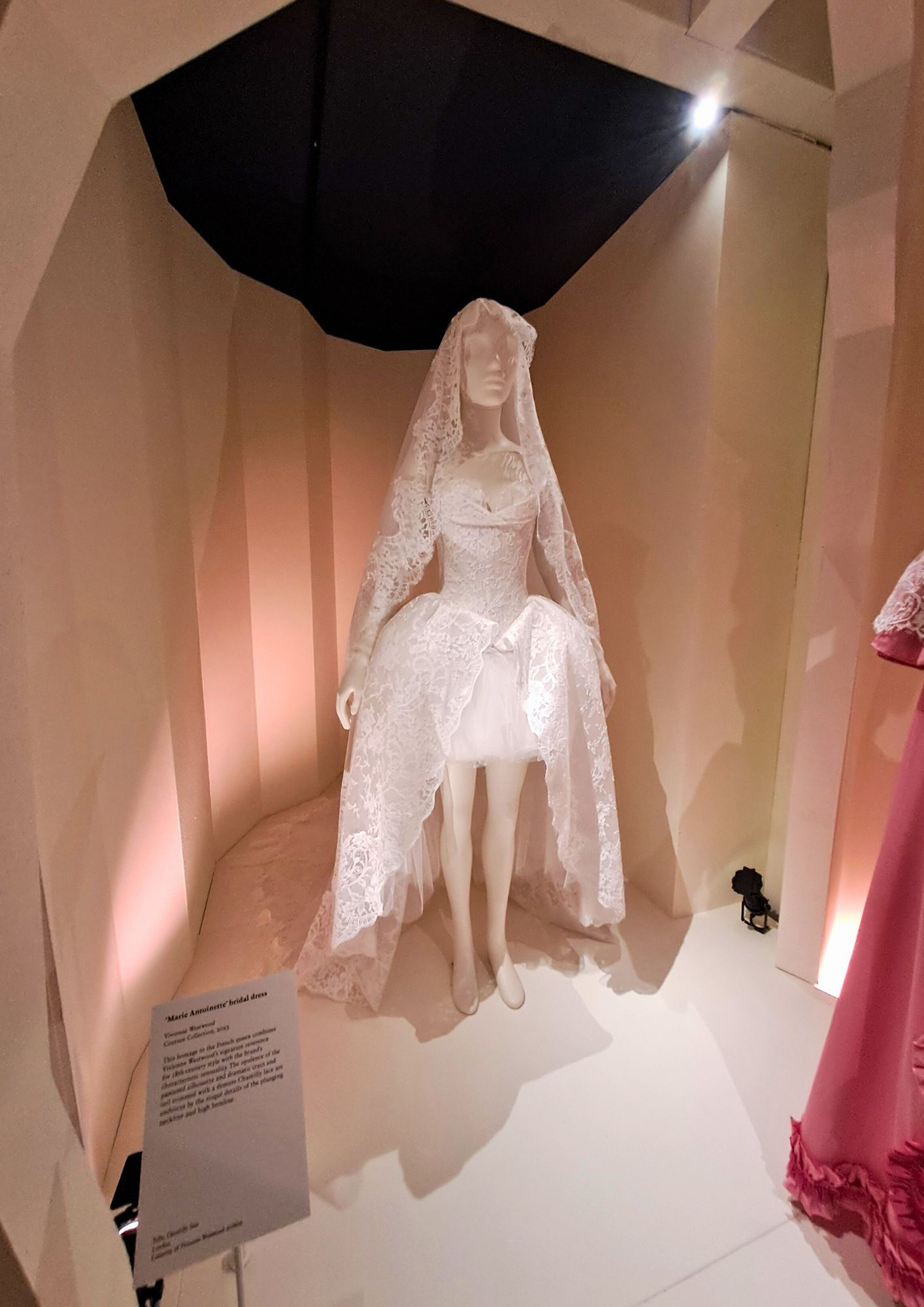
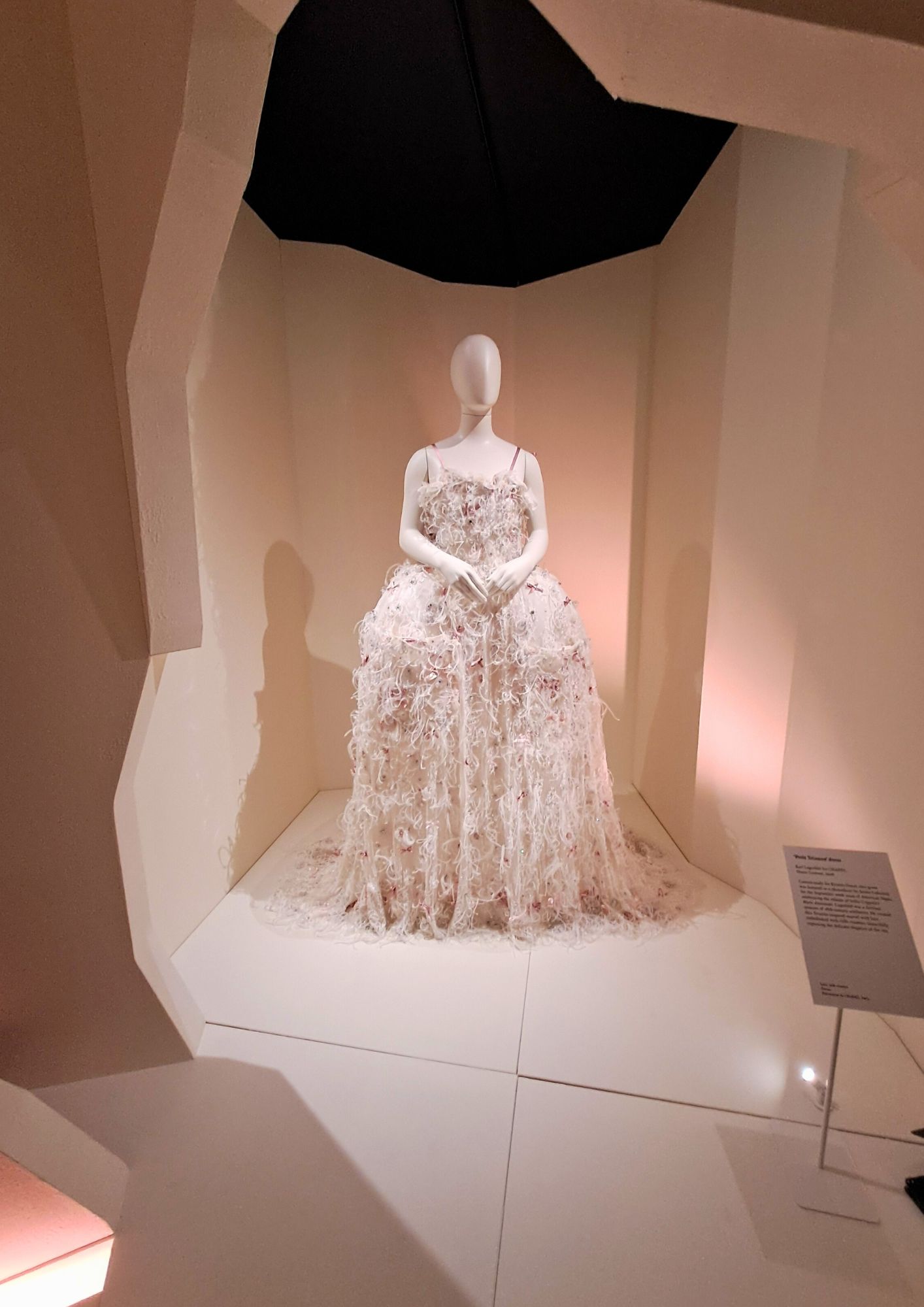
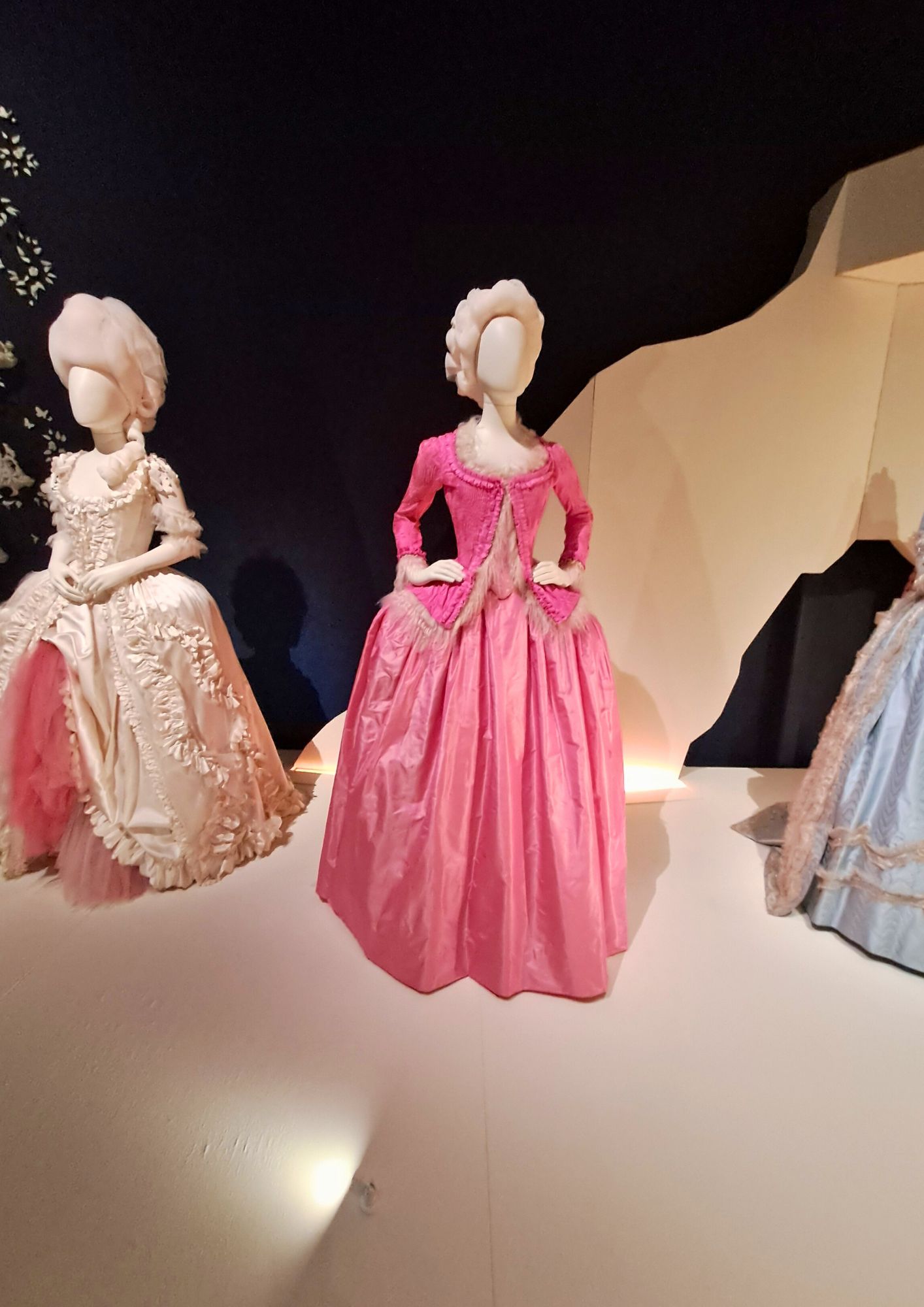
The exhibition featured towards the end modern tributes to Marie Antoinette’s iconic style though many leaned heavily on replicating her silhouette alone.
What stood out to me were the interpretations by Chanel and Vivienne Westwood. Rather than mimicry, they infused her aesthetic with rebellion and wit.
Chanel brought a refined restraint to the opulence, while Westwood twisted the decadence into punk provocation. Great conversations with history.
All in all a good fashion exhibition and if you love fashion and history I would certainly suggest visiting.
 Esther Akello
Leave a comment